
Anyone who engages in any way with the online gaming community, knows that we are a funny bunch. Very passionate, often opinionated, and at times unhappy with changes. Over the years there have been a number of upsets to our little community, some financial, some technological. Today is not about villainising a company or singling out anyone. It is about taking a look at technologies or practices that have long been a thorn in the side of the core gamer.
A light-hearted look at the longest running, most contentious issues for gamers
Before anyone starts saying NFTs. No. They are taboo at the moment but are too new and not enough people understand them yet. I will also not address the obvious issues with prejudices that plague every corner of humanity, as I don’t intend this article to be too serious. So today I am going to take a look at some of the more familiar and more debatable ‘villains’ in gaming. It is worth clarifying before this, that each one of these are only very unpopular within certain circles and is often down to just specific taste. That is why this hobby is so great. Its subjective nature allows for discussions such as this, and I love it.
Games as a Service
Which brings me to our first ‘villain’. It’s on-going, it refuses to die, it’s ruining gaming as we know it. It is of course, live service games. I say this as someone who actually is quite partial to a live service game. As someone who primarily enjoys my gaming on Xbox, it is to be expected. But I know certain PlayStation circles (and still some Xbox) are not keen on the idea of live service games. This was made pretty evident when, after the Bungie acquisition, PlayStation announced that they had many live service games in active development. For every PlayStation fan who was pleased to be able to welcome the quality of Bungie to their first party offering, there was a rabid reader lamenting the direction toward a greater live service offering. I do get it. Some previous live service games to launch have done so in an unacceptable state, (although sadly that just seems to be common practice across many games nowadays) many have ended up becoming good games.
This is not to excuse the initial problems (or should not be). But it does go to show that it’s not a problem with live service games, as such. These games are often designed around higher player counts, it must be tricky to test for such things prior to launch, so a degree of fixes will have to be reactive. For example, unless you are paying hundreds of thousands of testers, it could be difficult to recreate and find the technical problems. I know this isn’t an excuse for releasing a game that is unfinished though… Look at World of Warcraft when that originally launched. They managed to get that one right. Service games should launch and be complete games to start with, or if not, expectations need to be managed better. The justification of losing initial sales surely can’t be outweighed by the nightmare of bad PR of a bad launch?
NFTs big brother
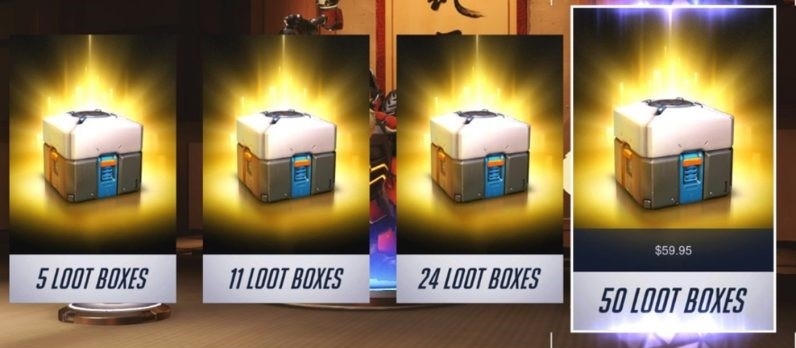
I am speaking of course about Microtransactions. Often these go hand-in-hand with live service games, but they really rose the forefront of the minds of gamers around the mid 20 teens. Again, microtransactions are not a problem themselves. Unfortunately, we live in a relentless capitalist world with an undying thirst for eterna-growth and profit making. Because of this companies need to keep finding ways to monetize their games. And even though the conecpt of them blows my mind, people buy them. If they want to keep my game prices down by buying them, crack on. The issue with them is 100% implementation. Either games became designed around buying them, thus making the game more about making money for (the developer/publisher) than interactive entertainment, therefor making it rubbish. Or perhaps worse, games became pay-to-win… Then there was the whole gambling and loot boxes mess that were being forced into games too…
I’m sorry, I just had take a moment to again wonder what the heck the people who allowed these silly decisions to go-ahead were thinking. But I digress. The MTX issue did seem to die-down, as implementation improved alongside regulation. Unfortunately for gamers, the same greedy MTX attitude is being applied, bringing NFTs into games… And gamers are now also paying $70 a game… And with inflation what it is right now, I bet they will be $75 by the end of 2022.

Digital vs Physical
Collectors, boomers, physical media lovers and those who struggle most with the change to digital mediums have been battling this narrative for 10 years or so now. Anger at this move from physical to digital does seem to be dying down now, as we plough on towards a digital future. I personally prefer to have most of my media digital. I am not one of those people who is terrified about the internet going away, our reliance on it now has seen to that. I also love the convenience of it all, but I do feel the concerns of people are valid.
If you do not own the physical media itself, you are at the mercy of the companies who provide the license keys to you. It is a concern to know that they can take away something you have purchased and there would be nothing you can do about it. That said, all physical discs nowadays require a second license key with all the content is locked behind a download. The amount of data on the disk is minimal. Having the ownership of the disk is arbitrary… What’s worse is the reduction in production costs is not accounted for in the digital copies of games. There are also entire markets that are based around physical media, and this is certainly stressful for them too. That said, there are positives. Digital releases enable many more developers to showcase and release their work. This opens up the door tremendously to growth across the creative side of the industry. For me the physical ownership of games lost it’s appeal when instruction manuals and booklets were replaced with tiny 1 page pieces of paper with a tiny bit of artwork on. It devalued them to me. Some of the excitement was taken away from the purchase. So now it is much easier to just download and play from the comfort of my own home.
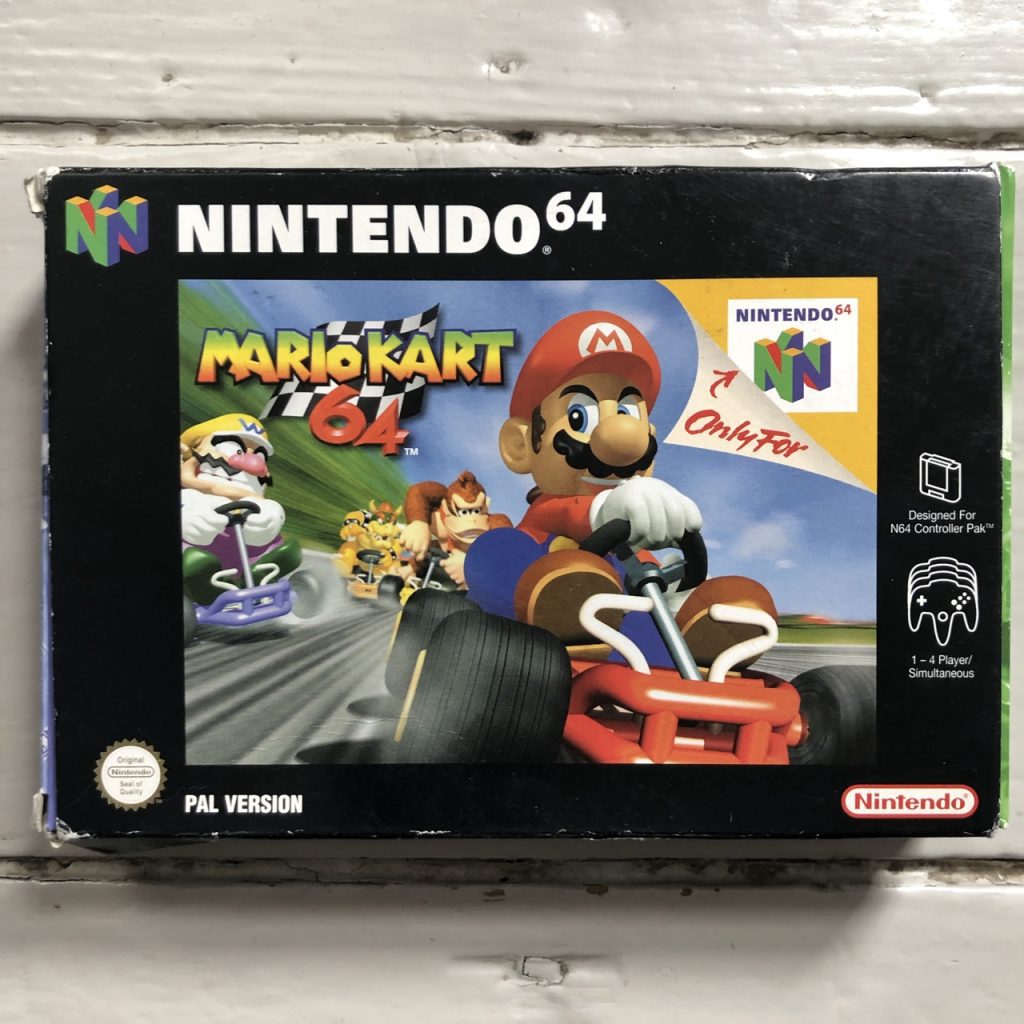
I feel sorry for the team physical, as more and more it seems they are fighting a losing battle. And in many ways, I feel the long-drawn-out nature of this particular ‘villain’ within the industry is hard to watch. Slow and painful. Fans of physical media each day see former supporters of the physical medium come to accept the dominance of digital. And with the growth of the metaverse, and key industry players pivoting to jump on the metaverse bandwagon, it shows no sign of stopping. Do I think physical media will fully die? No. But it will become a real niche and availability of physical copies will dwindle.

I guess we should start to think then, which of these long-term nemeses will take the title of ‘The Most Notorious Villain in Gaming’? Myself, I think it is microtransactions. They may have stalled the price hike in games, but it still came anyway. I also see no end to how they have, in my opinion, ruined games like Fifa. Resources that could go into change and innovation are focused on the microtransaction elements. Service games and subscription services will allow for the continuation of offline single player games which require massive budgets. And for however bad the physical gaming fans might feel, digital does bring benefits with it and, as previously mentioned, the disks do not make the games playable offline or without the digital side being required nowadays. It simply makes them feel more tangible for people. That’s my opinion… What do you all think?
Let me know in the comments or on Social Media!