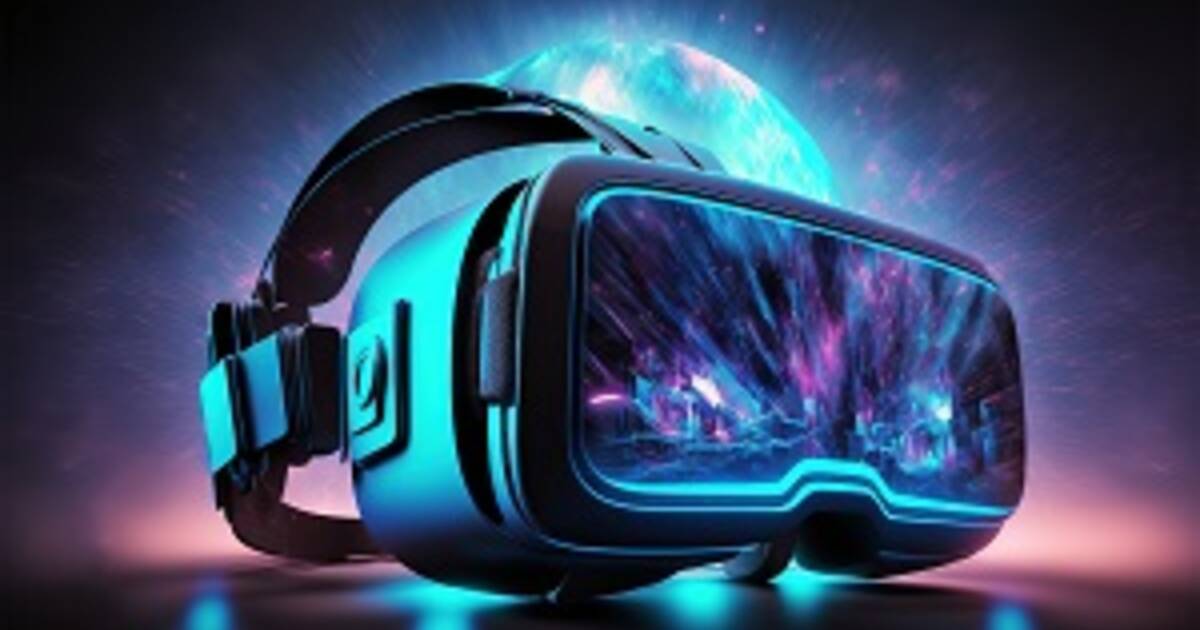
In recent years, virtual reality (VR) technology has undergone a remarkable evolution, transforming the gaming experience from a passive pastime into an immersive journey. This article explores the groundbreaking innovations driving the rise of virtual reality gaming, its profound impact on the gaming landscape, and the challenges and opportunities that lie ahead.
The Evolution of VR Technology:
VR gaming has come a long way since its inception, with advancements in hardware and software pushing the boundaries of immersion and interactivity. From the introduction of immersive headsets like the Oculus Rift and HTC Vive to the development of motion-tracking controllers and room-scale tracking systems, VR technology has matured to deliver increasingly realistic and immersive experiences. The integration of haptic feedback and eye-tracking technologies further enhances sensory immersion, blurring the lines between the virtual and physical worlds.
Expanding Horizons:
One of the most notable aspects of VR gaming is its ability to transport players to entirely new worlds and experiences. Whether exploring fantastical realms, embarking on epic adventures, or engaging in intense multiplayer battles, VR gaming offers unparalleled immersion and presence. The sense of scale and depth perception provided by VR enhances spatial awareness and creates a heightened sense of realism, drawing players deeper into the gaming experience than ever before.
Diverse Gaming Experiences:
VR gaming encompasses a diverse range of genres and experiences, catering to a wide spectrum of preferences and interests. From adrenaline-pumping action games and immersive storytelling experiences to relaxing virtual environments and educational simulations, VR offers something for everyone. However, challenges such as hardware requirements and motion sickness concerns must be addressed to ensure accessibility and inclusivity within the VR gaming community.
Whether exploring fantastical realms or try your luck at the National Casino, embarking on epic adventures, or engaging in intense multiplayer battles, VR gaming offers unparalleled immersion and presence.
Impact on Game Design and Development:
The advent of VR technology has necessitated a reimagining of traditional game design principles. Developers must consider factors such as locomotion mechanics, user interface design, and comfort options to optimize the VR experience for players. Additionally, the immersive nature of VR opens up new avenues for creative expression and innovative gameplay mechanics, allowing developers to push the boundaries of interactive storytelling and player agency.
Shaping the Future of Gaming:
As VR technology continues to evolve and become more accessible, its impact on the gaming industry is poised to grow exponentially. The integration of augmented reality (AR) elements, advancements in social VR experiences, and the potential for cross-platform interoperability present exciting opportunities for future innovation. However, addressing challenges such as content accessibility and hardware affordability will be crucial to unlocking the full potential of VR gaming for a broader audience.
Data Insights:
According to recent market research, the global virtual reality gaming market is projected to reach a value of over $45 billion by 2026, with a compound annual growth rate (CAGR) exceeding 30%. Factors driving this growth include increasing consumer demand for immersive gaming experiences, technological advancements in VR hardware and software, and growing investments by major players in the gaming industry.
Expert Insights and User Testimonials:
Industry experts and gamers alike have praised the transformative potential of VR gaming. Developers, designers, and analysts specializing in VR gaming provide valuable insights and perspectives on the current state and future trajectory of the industry. Additionally, user testimonials offer firsthand accounts of the immersive and captivating experiences that VR gaming delivers, underscoring its appeal and potential.
Resources for Further Exploration:
For those interested in delving deeper into the world of VR gaming, numerous resources are available for further exploration. Online communities, forums, and websites dedicated to VR gaming provide a wealth of information, including reviews, recommendations, and discussions about the latest VR hardware, software, and experiences. Additionally, attending VR gaming events and conferences can offer valuable insights and networking opportunities for enthusiasts and industry professionals alike.
In conclusion, virtual reality gaming represents a paradigm shift in the way we interact with digital entertainment. By pushing the boundaries of immersion and interactivity, VR technology is reshaping the gaming experience and opening up new frontiers of creativity and innovation. As the VR gaming landscape continues to evolve, addressing challenges and embracing opportunities will be essential to realizing its full potential as a transformative force within the gaming industry.