In the dynamic world of game publishing, staying ahead of the curve and balancing innovation with market expectations is no easy feat. In this exclusive interview, we sit down with Darryl Still, the Co-Founder of Kiss Publishing Ltd and a trailblasing figure in independent game publishing, to discuss his achievements, insights into the challenges faced by independent developers, and his vision for the future of gaming. Join us as we delve into the experiences and perspectives of a leader who has left an indelible mark on the gaming industry.

Q: Can you share with us some of the highlights and achievements from your time as the Co-Founder of Kiss Publishing Ltd? How did your role contribute to the growth and success of the company?
A: We created the company because we had been successful in launching 50 titles from the Russian developer/publisher 1C onto Steam and into other digital vendors and I was approached by a number of Indies from my days at Nvidia asking if we could help them get their games listed. We couldn’t do it individually but we formed a company to do it. That company became Kingstill International Software Services and was known as Kiss. We set ourselves up on the Stiff Records model, where the artist kept the intellectual property and had total control over creative and we did the business. We never used the P word, as it was a little frowned upon, but we were in effect the very first properly independent publisher and over the next five years released 150 games. We were nominated as Publisher of the year 4 years running at the Develop awards and were only beaten by “little” companies like Sony and Nintendo to that award!!!
Q: As someone who has worked closely with independent game developers, what insights can you provide about the challenges they face in the gaming industry today?
A: The perpetual challenge has been their desire to innovate and work with the latest technological breakthroughs, vs the need to hit the sweetpoints of what the masses want and what standard technology (minimum specification) they actually have. Keeping ahead of the curve but bowing to the market expectations in quite a balancing act. I have always looked to indies to innovate but recognised they need to make money too.
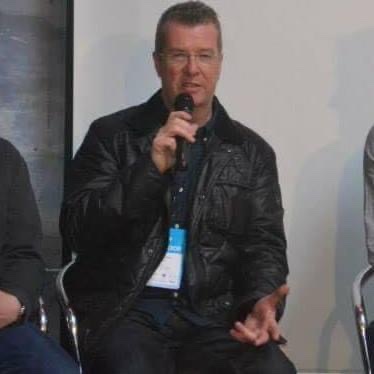
Q: Throughout your career, you’ve been involved in various aspects of game publishing and marketing. How have your experiences shaped your perspective on the gaming industry and influenced your current endeavors?
A: It’s the most exciting industry in the world and the dichotomy is that it’s a young person’s industry but there is no replacement for experience. I know it’s key to stay ahead of the latest trends but accept that lifetime business principles never change.
Q: As the gaming landscape continues to evolve, with emerging technologies and platforms, what do you believe are the key opportunities and challenges for both established and independent developers?
A: Technologies have always emerged. The principles of making a game engaging, fun and absorbing, whether solo or in a group will never change. New tech just means a new way of doing that. Better, faster, shinier. But an 8 bit retro game can be just as engaging as a fully 4k 3D VR one.
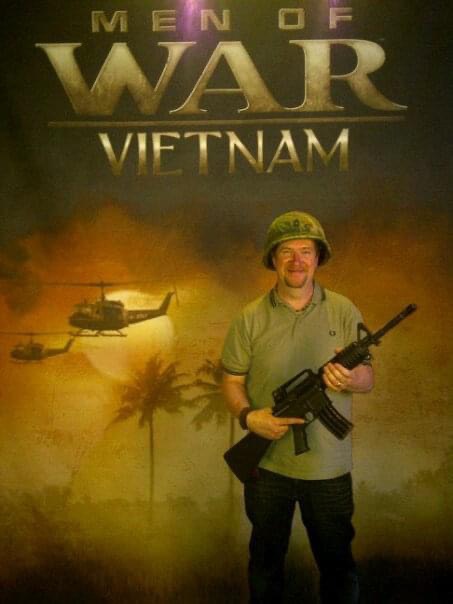
Q: Having worked with digital vendors and witnessed the growth of digital distribution, what strategies do you believe are crucial for developers to succeed in the digital marketplace? How has the importance of discoverability and marketing shifted in recent years?
A: It’s dramatically different from when it started, when we would sit up on a Friday night waiting to release our game so it was top of the new releases list for its first weekend. It’s a matter of keeping ahead of those algorithms, getting on wishlists, and working the community. Whatever the platform’s current buzzes are to adopt early and ride the wave.
Q: Can you share any recent or upcoming game releases that have caught your attention? What qualities or innovations do these games bring to the table, and how do they align with the evolving preferences of gamers?
A: I’m a bit of a classical gamer so am looking forward to Starfield or the next Final Fantasy (is it XIV! I lose track!), but also something like Hollow Knight, which comes from a 3 man studio, peaks my interest.

Q: As a gamer yourself, what trends or advancements in the gaming industry excite you the most? How do you see these changes shaping the future of gaming, and what opportunities do they present for developers and gamers alike?
A: The ability to play across formats and switch from one to the other, on the train home, when you get home, at a friend’s house has always excited me. But mostly the buzz of playing with your mates in whatever environment or with multiple hardwares. I’ve never been much of a solo gamer, though I have racked up a lot of sadly solo hours on Football Manager.
Q: In your role as a leader in the gaming industry, what steps have you taken to build and foster strong relationships with the gaming community? How do you ensure that the voices and feedback of gamers are heard and considered in the development and publishing process?
A: Gosh, that’s a tough question. I mean I have many friends in the gaming community over 40 years who i talk to all the time, but have almost certainly been too distanced from actual gamers in recent leadership roles, and that’s the main reason for my move to a clean slate. Too many hours in boardrooms talking to money men in suits since Covid. I wanna eat pizza and drink jolt at 2am on deadline day again! lol
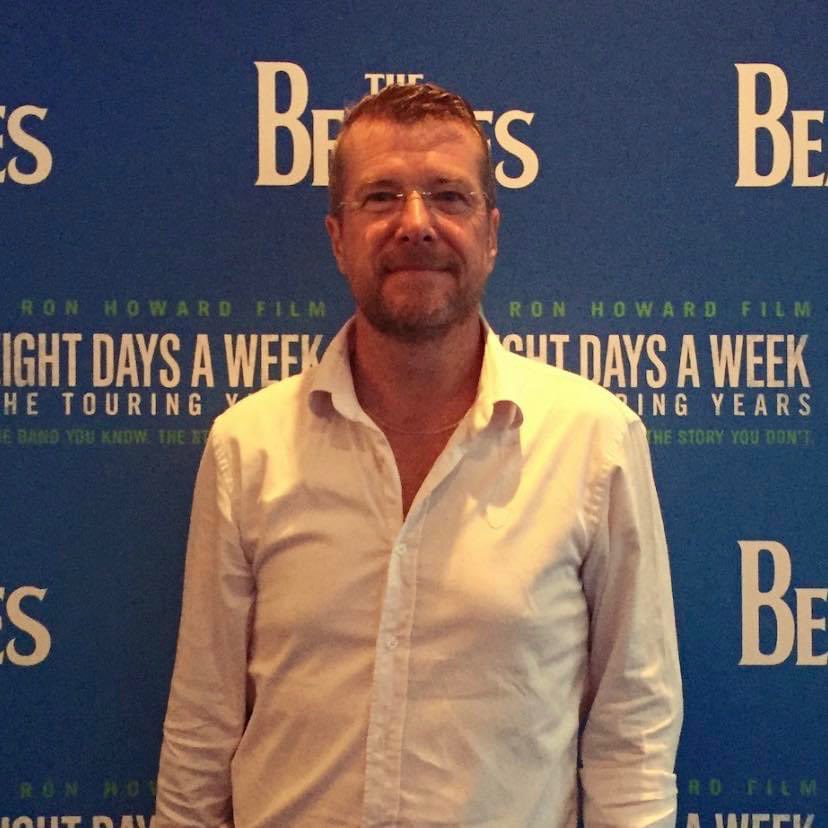
Q: Reflecting on your experiences, what advice would you give to aspiring game developers who are looking to make their mark in the industry? What key skills or qualities should they focus on developing to succeed in today’s competitive landscape?
A: Just love what you do. It’s much better than a real job! 8-)
Q: Can you provide some insights into your future plans or aspirations within the gaming industry? What goals or projects are you currently pursuing, and how do you envision making a positive impact on the industry?
A: I think that considering the industry is bigger in terms of revenue than other arts like Music and Film, it’s past due time that it was recognised and even recognised that itself. It still feels like we’re the upstart child and my current projects are aimed at working with some of these other industries to see where our audiences merge or to bring them together.

Q: As the gaming industry continues to expand globally, what strategies have you employed or observed for successful international publishing and market penetration? How do cultural differences and regional preferences influence game development and publishing decisions?
A: Obviously the different cultures bring different requirements but the main business factor is how people pay for their games (or not) and incorporating those different points into the same game for different markets is one of the toughest battles to get right.
Q: What role do you believe independent game developers play in driving innovation and diversity within the gaming industry? How can larger publishers and industry leaders further support and promote the work of independent developers?
A: It’s massive. The innovation from small, creative teams is what leads the industry. The hardware vendors can lead this by getting their latest wares into the small studios and sponsoring them (as I did at Nvidia), but the issues come when the business numbers have to be met and only a small part of the market own the tech you’ve developed for. I’ve worked on games that have won more awards than units sold 8-)

Q: Can you discuss some of the lessons you’ve learned throughout your career in the gaming industry? How have these experiences shaped your approach to leadership and decision-making in your current ventures?
A: Hmmm. This is a tough one. Never underestimate that your best marketing tool is someone who loves your game. The more of them you get the better you do. And try not to upset them because they are your A team. Try not to make it all about the money, because they know when you do.
Q: How do you see the relationship between technology and gaming evolving in the coming years? What advancements or trends do you anticipate will have a significant impact on the gaming industry, and how do you plan to adapt to these changes?
A: I think we are still waiting for mass market VR. It’s taking a long time and lots of trial and error, but I’m still convinced it has more future than NFT’s

Q: Finally, can you share any personal anecdotes or memorable moments from your career that have had a lasting impact on you as a professional in the gaming industry?
A: For me, when this industry really shows its worth is at shows and events. Most of my memorable anecdotes are from those, usually around long tables filled with industry friends and very often rivals, drinking Mark Rein’s wine that costs more than my car. There is a tacit recognition that we are not fighting over the same customers, we are working together to bring the industry more customers. I can’t think of anyone in this industry I have ever fallen out with, cos we all share the same goal.
In conclusion, my conversation with the Co-Founder of Kiss Publishing Ltd, Darryl Still, shed light on various aspects of the gaming industry and provided valuable insights for aspiring developers and industry professionals. From the early days of independent publishing to the challenges faced by developers in the ever-evolving gaming landscape, it is clear that the industry thrives on innovation, adaptability, and the passion of its community.
As technology continues to advance, the future of gaming holds immense potential. The ability to seamlessly play across platforms, the emergence of virtual reality, and the integration of gaming with other creative industries present exciting opportunities. However, amidst all the technological advancements, it is important to remember that the heart of gaming lies in captivating gameplay, compelling narratives, and the joy of shared experiences.

The gaming industry owes much of its success to the efforts of independent developers who constantly push the boundaries of innovation and diversity. Their creativity and willingness to take risks shape the industry and inspire others to follow suit. It is crucial for larger publishers and industry leaders to recognise and support independent voices, fostering an environment where these developers can thrive.
As we look ahead, it is imperative for aspiring game developers to embrace the ever-changing landscape and develop skills that allow them to adapt to new technologies, market trends, and cultural nuances. Passion, dedication, collaboration, and a keen understanding of player feedback are key ingredients for success in the competitive gaming industry.

With visionary leaders like the Co-Founder of Kiss Publishing Ltd, Darryl Still, at the helm, who advocate for the industry’s recognition and collaboration across different creative fields, the future of gaming looks bright. By celebrating the power of interactive entertainment, promoting inclusivity, and valuing the voices of both developers and gamers, we can collectively shape an industry that continues to captivate and inspire.
As gamers, developers, and industry professionals, let us embrace the spirit of innovation, forge meaningful connections, and create experiences that transcend boundaries. The journey of the gaming industry is an ever-evolving adventure, and with each step, we move closer to unlocking new realms of imagination and wonder.
Darryl Still’s final advice to aspiring game developers echoes through these words: “Love what you do, for it is much better than a real job.” So, let us venture forth, fueled by our passion for gaming, and continue to make our mark on this extraordinary industry. The future awaits, and the possibilities are endless.