

Michael Zyda is a distinguished game designer, technologist, and educator who has been recognized as an IEEE Fellow, an ACM Fellow, and a Senior Member of the National Academy of Inventors, among other accolades. His career has been marked by groundbreaking contributions to the fields of game design and virtual reality, as well as founding and directing various computer science programs and institutions, including USC’s Computer Science Games Program, the MOVES Institute, and the Institute for Creative Technologies. In this interview, Zyda discusses his most successful project, his thoughts on the future of game design and virtual reality, and his advice for those interested in founding their own institutions or programs.

Credit: Inven Global
Q: Can you tell us about your most successful project?
Zyda: In 1999, the Army was facing difficulties in meeting its recruitment requirements. The Assistant Secretary of Army for Manpower and Reserve Affairs approached me with the idea of using video games as a medium to reach potential recruits. I took on the project at the Naval Postgraduate School, and we shipped the game on the 4th of July 2002. The game became the most successful messaging mechanism towards potential recruits, according to all Army measures. The Army kept the game up through new versions and levels all the way until May 2022, almost 20 years. I consider this a huge success from my career.
Q: What do you believe are the most promising areas of research in video game design and virtual reality today, and why?
Zyda: I believe that the most promising areas of research in video game design and virtual reality are those related to artificial intelligence, machine learning, and blockchain technology. These technologies have the potential to revolutionize the way we design, develop, and play games. For example, AI and machine learning can be used to create more immersive and intelligent game characters, while blockchain technology can help to improve game security, transparency, and ownership.

Q: You have been recognized as an IEEE Fellow, an ACM Fellow, and a Senior Member of the National Academy of Inventors, among other accolades. What does it mean to you to receive these honors, and how have they impacted your career?
Zyda: Receiving honors is always great, and the people who nominated me for those awards, I thank every day. Having such awards makes some things dramatically easier. I’ve been able to get access to resources and support that I wouldn’t have had otherwise, and it has helped me to build a network of like-minded individuals who share my passion for game design and technology.
Q: You have written extensively on game design and virtual reality, including serving as the Games Column Editor for IEEE Computer magazine. Can you discuss some of the most interesting trends or developments in these fields that you have observed in recent years?
Zyda: There is always a thirst for technological innovation in the games and virtual reality fields, and startups that create such innovations are the bedrock of this industry. One of the most interesting trends I’ve observed in recent years is the use of virtual reality to create more immersive and engaging gaming experiences. VR technology has the potential to transform the way we interact with games and other digital content, and it’s exciting to see so many developers and designers pushing the boundaries of what is possible.
Q: You have founded and directed various computer science programs and institutions. What advice would you give to someone who is interested in founding their own institution or program?
Zyda: My advice to anyone interested in founding their own institution or program is to start by drawing a MindMap of what you think that institution/program should be and circulate it with your friends for comment/response. This can help you to identify any gaps or weaknesses in your plan and ensure that you have considered all aspects of the project. It’s also important to be persistent and have a clear vision of what you want to achieve. Surround yourself with talented and dedicated individuals who share your passion and can contribute to the success of the program or institution.
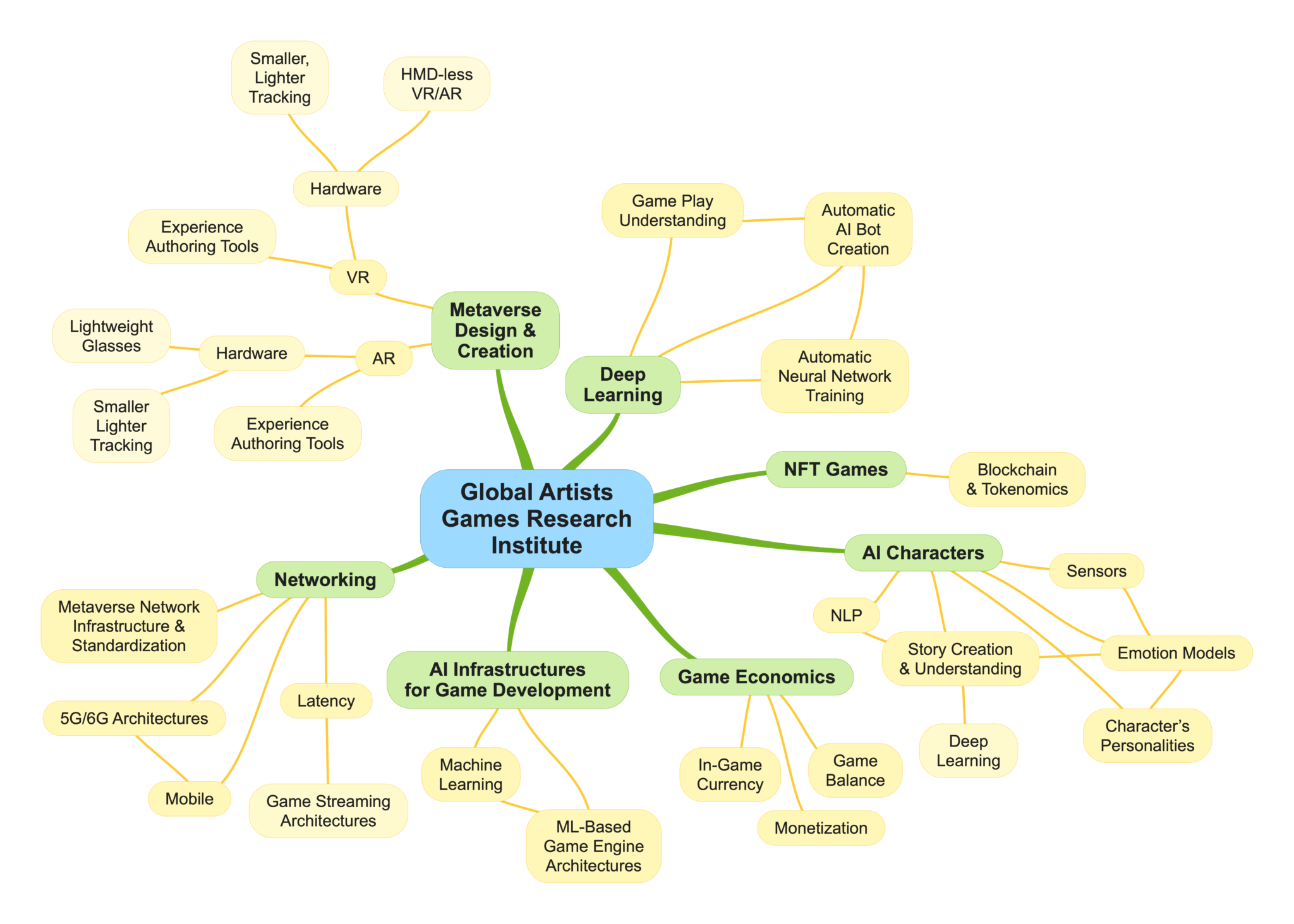
Another key factor is to be patient and understand that building a successful institution or program takes time and hard work. Don’t be discouraged by setbacks or failures along the way, but use them as learning opportunities to refine and improve your approach.
Overall, founding an institution or program is a challenging but rewarding experience. By staying focused, persistent, and open to feedback, you can make a significant impact in your field and leave a lasting legacy.
In conclusion, it is clear that Michael Zyda has had a profound impact on the video game industry and on the field of computer science as a whole. His groundbreaking work in virtual reality and game design, as well as his founding of various institutions and programs, has left an indelible mark on the field. As we look to the future of gaming and virtual reality, it is clear that there is much exciting work to be done. And with pioneers like Michael Zyda leading the way, we can be confident that the field will continue to push boundaries and drive innovation in the years to come.