At one point in time, E3 – or the Electronic Entertainment Expo as some call it – was considered paradise for gamers. Every summer, media outlets would cover the latest and greatest from the show, including surprise announcements during press conferences and other fun stuff. And later in its cycle, it would become a tremendous digital hit as well, with everyone from G4 to IGN covering the event stem to stern.
And then…poof. After years of being somewhat off due to COVID-19, this year’s planned E3 event was folded in on itself, in favor of other digital events like Summer Game Fest. Soon after, reports indicated that the ESA doesn’t have any interest in bringing it back in the future, as both the 2024 and 2025 shows now appear to be history.
So what happened? Why did this once magnificent show end up becoming nothing more than a memory? Well, there are many factors to consider, but essentially it all leaned on three big factors – bad mistakes, greed and irrelevancy.
Let’s get started.
Big Mistakes
E3 was by no means a perfect show. Even in the height of its popularity, the ESA couldn’t help but fiddle with success. It barred “booth babes” from the event as it felt they were an unnecessary distraction, though many companies cried foul; and it also closed down Kentia Hall, a crucial place where indie developers and others would flourish for a fraction of the price. (That’s where Guitar Hero got its humble beginnings, after all.)
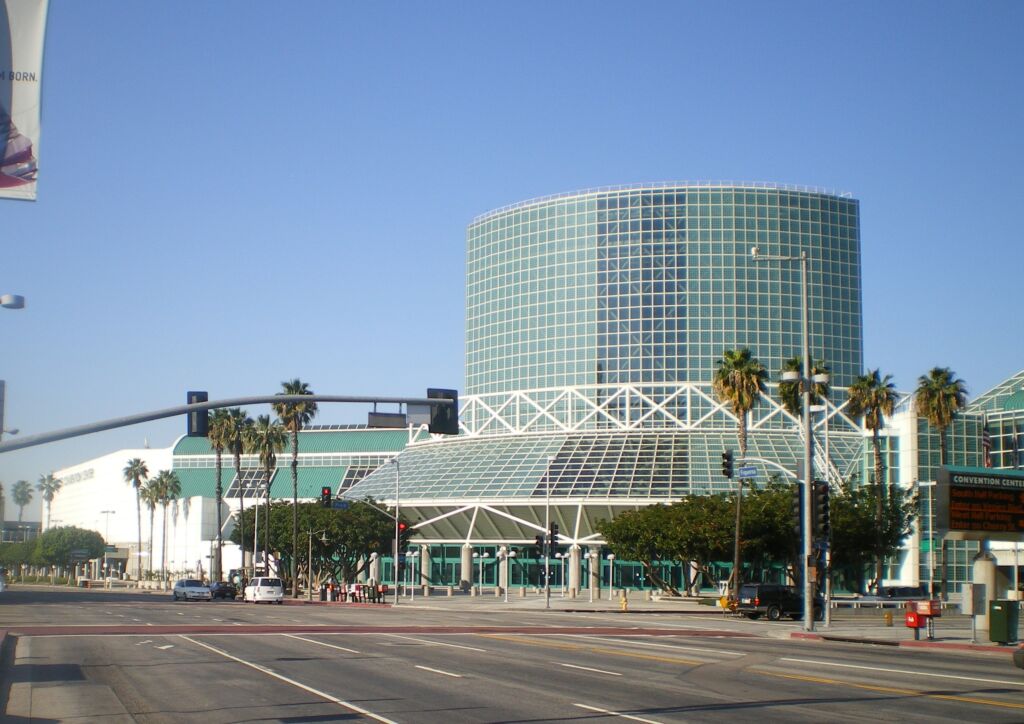
But the mistakes go much deeper. The company had a rift with the Los Angeles Convention Center in the mid-2000’s, forcing them to take refuge in Santa Monica, amidst several hotels and one badly placed airplane hangar. The show was a mess, which led the ESA to make an agreement and bring it back to form a couple of years later – though it wasn’t quite really the same.
Then the mistakes really piled on. Aside from the booth babe issue, changes came to E3. These will tie in with the “greed” portion of the article, but let’s just say they let the wrong people in at the wrong time.
The ESA messed up even further by taking the records of several thousands of its attendees and allowing it to be breached in 2019, putting emails and even phone numbers in the hands of the public. It has since noted that it has boosted security, but the damage had already been done.
By the time 2020 came around, the ESA knew they needed to redefine E3. Thus, following the departure of Sony (again, we’ll cover that in the next chapter), they promised to revamp the show with “interactive experiences” and with features that would be pleasing to the streaming community. Alas, the show never came to be, due to COVID-19.
Not to mention that these changes also turned off long-time supporter Geoff Keighley, who would leave E3 behind in favor of the Summer Game Fest, which has since become a tradition with high viewing numbers and plenty of exciting reveals.
E3 did have a digital show in 2021, but even that was disastrous, thanks to co-host Greg Miller (of Kinda Funny Games) calling out the community over comments in the chat. Viewership didn’t really recover past that point, and the ESA didn’t even bother with a 2022 showcase, instead letting third party companies take over.
So, yeah, the ESA didn’t really do gaming media and long-time favorites any favors with its decision-making. But that leads us into the next chapter of the saga – greed.
It’s All About the Money
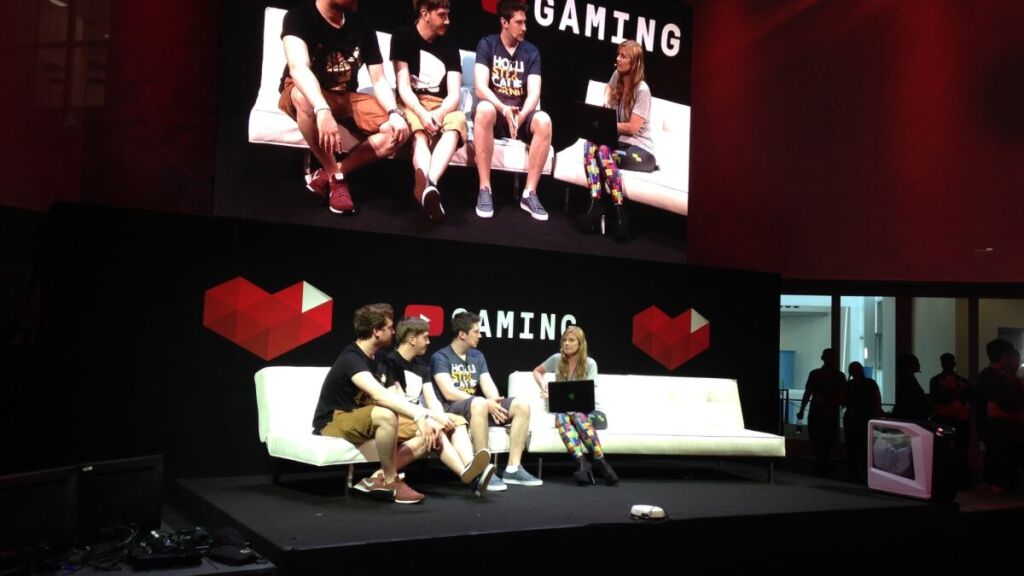
The ESA apparently believed that, while E3 was a great show for the media, it would be even greater turning it into a public expo. Alas, that would be its downfall.
In 2016, the company experimented with an “E3 away from E3” formula with a small booth that the public could visit right outside the expo hall. That wasn’t enough, however; and in 2017, it opted to open the doors to the public.
While that did generate ticket sales, it made the show an absolute nightmare for the media, as journalists and others couldn’t make their appointments on time due to the security checkpoints being overloaded. It also didn’t help that many public attendees helped themselves to too much gaming swag, leaving some companies short-handed. (It’s giveaway swag, sure, but it wasn’t entirely given away as much as it was taken.)
On top of this, the ESA increased the price of floor space to unreasonable levels, forcing some companies to abandon ship. For instance, the gigantic booths that Microsoft and Sony built cost $1 million for the entirety of the show. It worked for a couple of years, but eventually, Sony decided to opt out for digital showcases instead. Microsoft still kept temporary floor presence with its Mixer online service, but opted to do a showcase next door at its Microsoft Theater for general games.
Even smaller companies suffered, with business spaces costing around $12,000 to $15,000, perhaps even higher depending on spacing. That caused third party companies like EA and Activision to bail out; and Devolver Digital to instead do a trailer park setup right across the street.
The ESA just wanted too much for its own good; and despite its elaborate plans to divide up E3 2023 between the public and media for its big return, it just wasn’t meant to be. Several of the big promised companies backed out to do their own showcases; and even with the involvement of the team at ReedPop (who made the PAX shows such a success), the ESA had no choice but to cancel the show.
But the big thing? It’s simple. The show just wasn’t needed anymore.

It’s Just Not Relevant Anymore
A while back, a show like E3 was necessary because there wasn’t really any other way for gamers to get information. Keep in mind that this was when YouTube was in its infancy, and streaming services were just getting their start. (Also, let’s not forget the glory of G4 in its heyday, and having Olivia Munn cover the show.)
But nowadays? A show like that seems pointless, especially when it’s no longer the big trade show it once was and instead converted into just another convention. Digital showcases are on the rise, not only because of better outreach to the public, but – more importantly – cost. There’s a reason Sony doesn’t fork over the $1 million for a big floor space, when it can just as easily get an audience on Twitch and YouTube. And what’s more, it could host its own little event for the same price, like EA has done for several years with EA Play.
Not to mention doing away with the cost of flying out team members, paying too much for a hotel space, having to bring out equipment and get everything set up, making sure everything runs, and, if you feel like it, having the swag to give away (or get taken by people that just want all the swag). There’s a lot of cost involved in there, and following so many years of financial frustration in the wake of COVID, it was too high a price to pay.
And with so many other options, E3 just doesn’t have a reason to exist. Companies can host their own shows and not have to worry about someone making sure they stay at capacity (for extra money, of course); and events like Summer Game Fest and the PC Gaming Show make it simple to partner up with someone that won’t bring the drama to a broadcast, instead focusing on the games.
Don’t even get us started on indie devs, either. With Kentia Hall no longer being an option, they had no choice but to stick to smaller events or their own broadcasts. The ESA didn’t even present them with something feasible. It was just “go big or go home.” And that just doesn’t work in this video gaming climate.
In Conclusion…
In the end, E3 was done in on itself thanks to a change in gaming climate, a lack of budgeting for most parties involved, and the poor decision making by the ESA. It all just came together and turned a must-see event into a memory.
We’ll always remember the glory days of E3 and the many memories they evoke – especially when Olivia Munn high-fived us at the Hotel Figeuroa. But now? Gaming has changed. And with it comes the end of E3.