
Lee Kirton’s journey from starting as a PR assistant at GT Interactive to becoming an accomplished Entertainment Director and Creative Producer is nothing short of incredible. Throughout his career, he has launched successful franchises such as The Witcher and Elden Ring, worked with a variety of studios and publishers, and even created world records for events like Pacman and Star Trek Online.
But Lee’s achievements don’t stop there. His talent and expertise have also allowed him to make the transition from games to film and TV. As a creative force in both industries, Lee has encountered various challenges and opportunities, and he’s ready to share his experiences with us.
In this interview, we delve into Lee’s career journey, discuss his creative process, explore his thoughts on the future of the entertainment industry, and much more. We also get to know Lee on a personal level as he shares his favourite types of games, his most memorable celebrity encounter, and his insights on the gaming industry’s evolution.
So, buckle up and get ready for an exciting ride as we dive into the mind of Lee Kirton, a creative visionary and true game-changer in the entertainment industry.
What inspired you to pursue a career in the entertainment industry, and how did you get started in this field?
I struggled with certain subjects at school, but I had a real desire to create and make things. I loved history, sports, and drama, and I enjoyed being sociable, although I was quite awkward at times and occasionally bullied for liking games. I loved movies and acting out scenes from films wherever I was. I was a typical 80s kid and grew up loving music, movies, and video games, with most of the early consoles and CPCs. I also loved adventure and getting into trouble on occasion.
From an early age, I always earned money by helping others, doing jobs for my dad’s mates, and working in clubs. I was interested in cooking and particularly in ingredients and bringing them together to make things look and taste great.
My parents were working-class, and I grew up in Southeast London. I didn’t see my Mum much because she worked a lot as a carer for elderly people. So, I spent some evenings with my Dad, and that’s where I learned to play squash. I got really good at it, and for a moment, I thought about a career in the game. However, I also knew it probably wouldn’t make me a living, so I gave that up.
When I left school, I was already working, so I continued working in bars and hospitality, which I enjoyed a lot. I didn’t go to university, and I was keen to take a junior role in something I was truly passionate about and fight through learning different disciplines to find the perfect place I fit in. I decided to follow a passion in media after a short spell as a chef.
I didn’t think I could ever be on screen, but I wanted a way into the movies or games. I didn’t chase acting, and I never thought there would ever be a job in the games industry. However, I joined a media recruitment agency, and I went to a job interview for a receptionist position at GT Interactive. I thought, “This is interesting,” so I went along, and they hired me. This was the company at the time working on Quake, Duke Nukem, and many amazing games. I soon started to find my way through the company, learning the business, the games, and what everyone did. That’s how I first started in PR.
What do you think are some of the biggest challenges facing newcomers to the field?
I think there are more opportunities now to get into game companies from a young age, but there is still a need to go in at a junior level and work through your career with hard work. You can meet people at shows, contact them online, get your foot in the door helping out, and even join great agencies such as Inspiring Interns. Things have changed a lot in the games industry over the years with social media and online bullying being more visible.
Social media is a big challenge in business, just like it is in life. The positives are it gives great opportunities to build communities in different ways. It gives smaller studios opportunities to talk about their games openly, but there are many negatives as well. Social media is visible to consumers, so I feel they are more exposed to the day-to-day management of games, reviews, etc.
I hear a lot of chat about followers and numbers, and there is a general obsession around this and how many people you can get to. For me, it’s about quality, not quantity, and about what you do, how creative you are, knowledge, and relationships.
From a game development perspective, steep competition exists, and there is a lot of noise being made on massive properties. However, like film, there is a huge rise in independent development studios and original projects which I totally adore.
During your time in the gaming industry, which of your projects are you most proud of and why?
There are so many. I can say the ones that I’ve had some impact within span back to Driver 1/2/3. I worked hard in the UK, creating a great campaign and juggling cover deals, and events, creating stunts that produced stories, presenting code pre-launch around the world, and demoing, etc. It was always a huge job planning early reviews, dealing with dates, and planning code that was a lot more difficult to deal with back in the day. Other great examples include working with Epic on the original Unreal and Tournaments, Abe’s Oddysee, and really championing Abe.
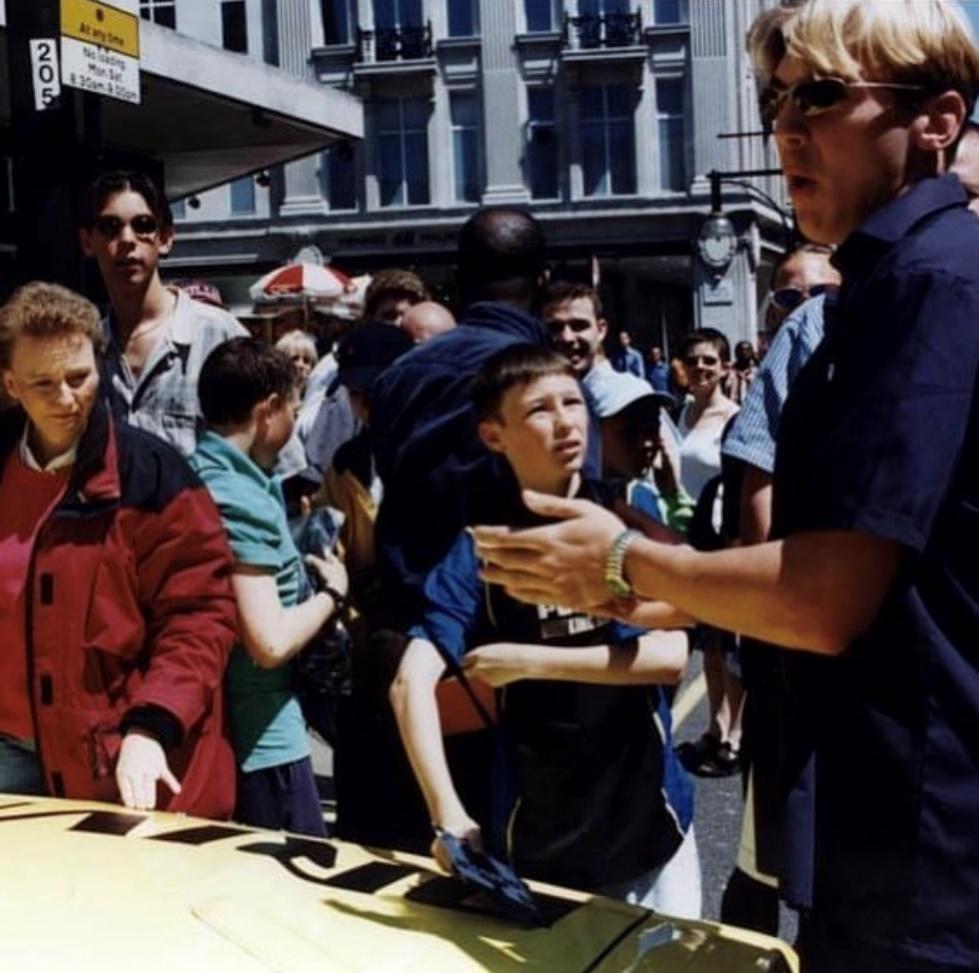
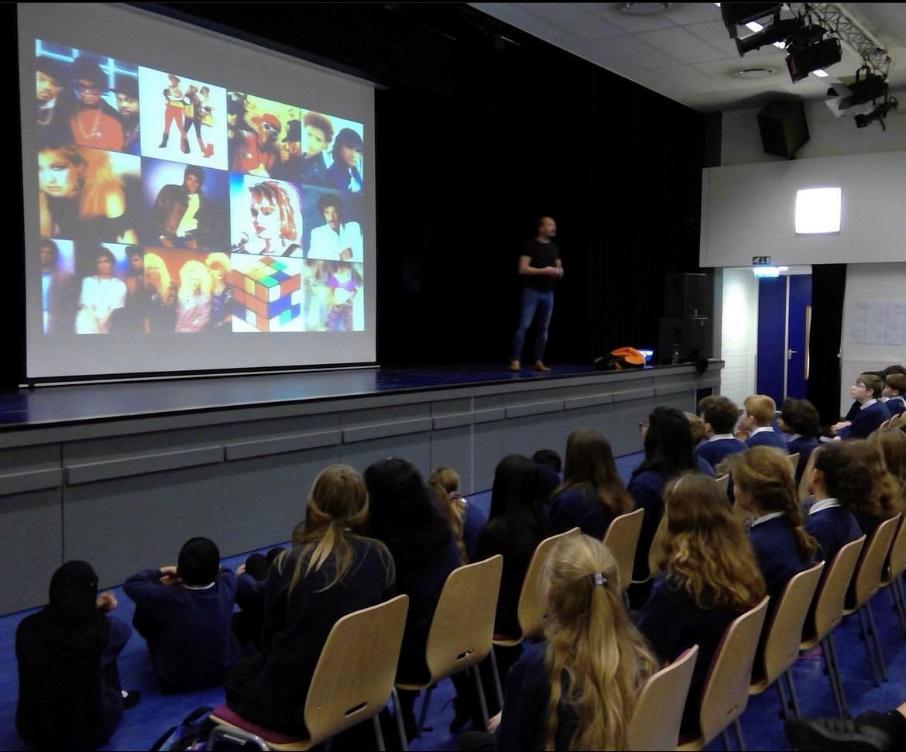
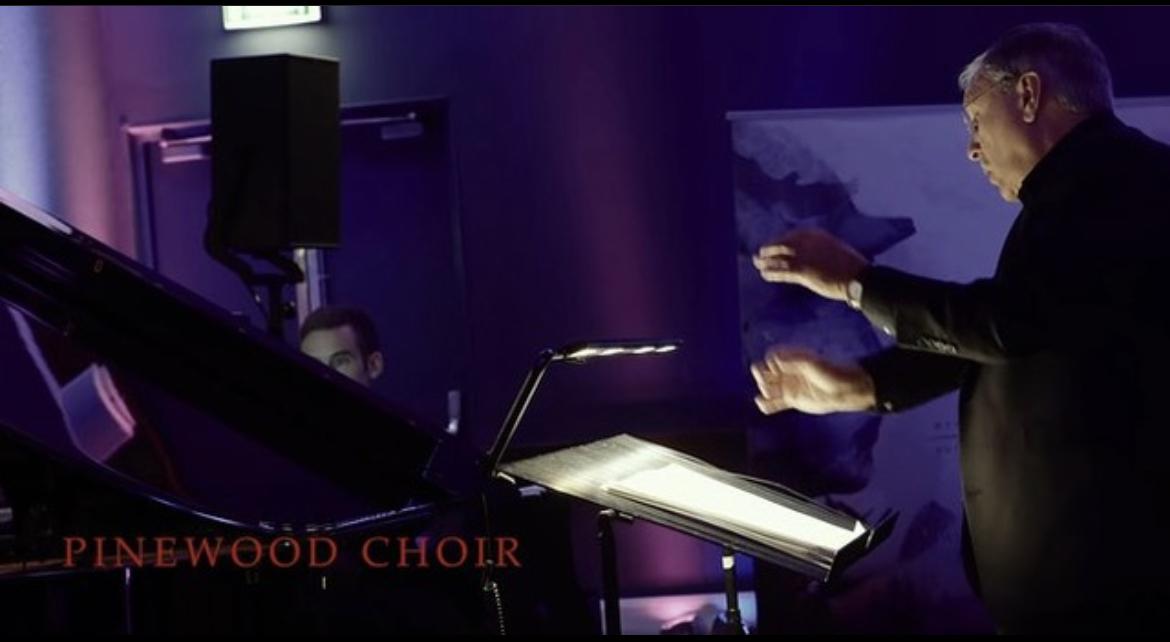
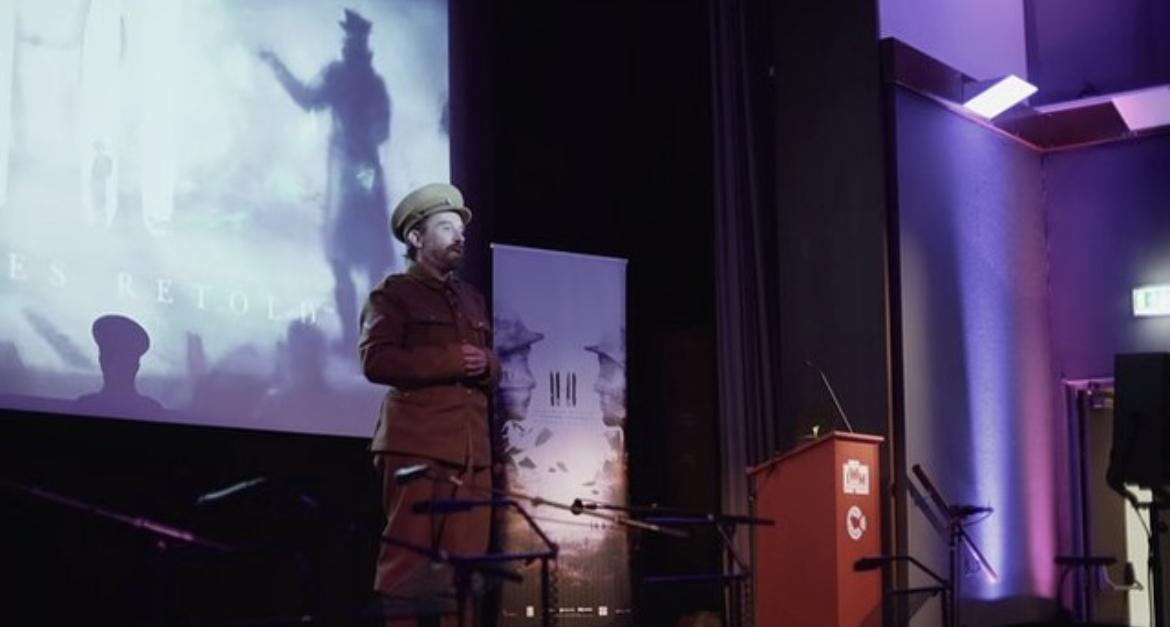
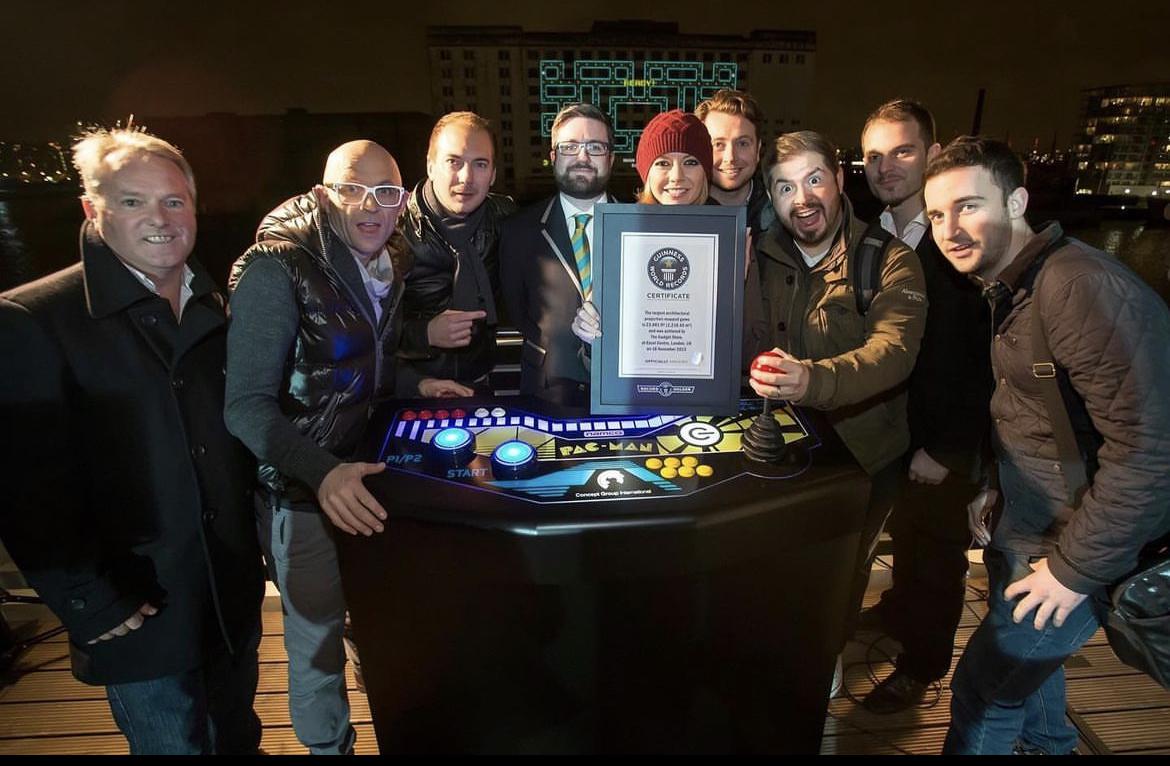
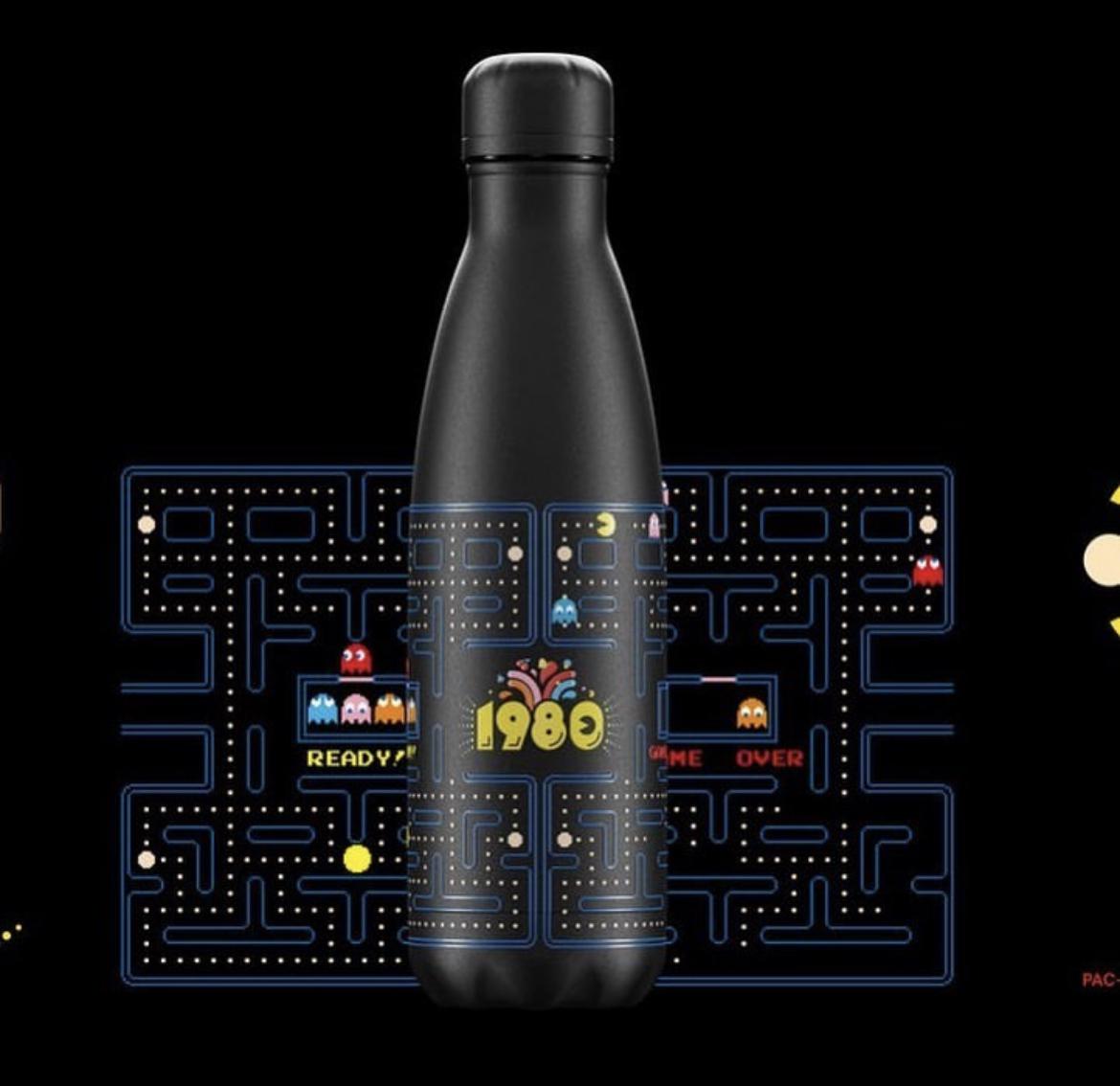
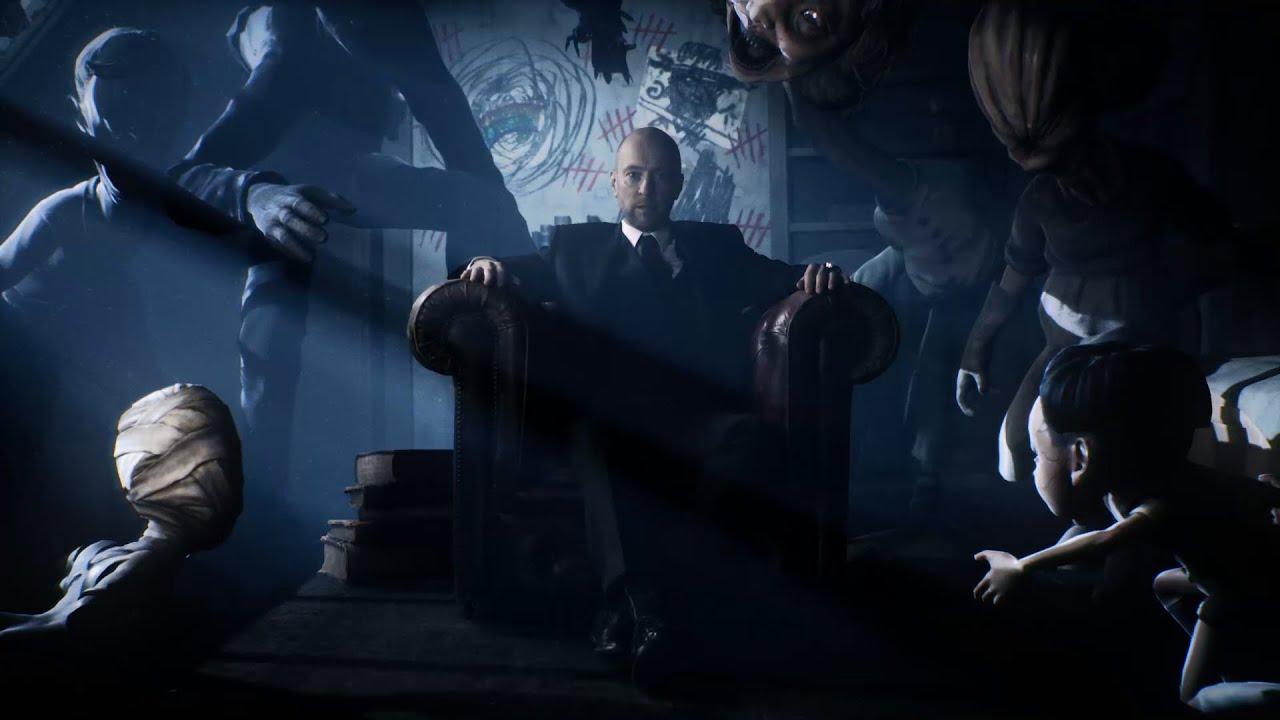
I welcomed its oldest and greatest fan, an elderly gent who was called Alf Gamble, Stuntman, Transformers, meeting Jeff Wayne for War of the Worlds, being trusted to present Enter the Matrix and The Path of Neo to the Wachowskis and demo in front of worldwide media, creating a world record for the most people dressed as Star Trek characters in London, forming a relationship with Ray Parker Jr for Ghostbusters, working with ‘FROM’ through Demon’s Souls, Dark Souls 1/2/3 and Elden Ring, creating bespoke stand-out and talked-about events for GET EVEN, The Witcher 3, 11-11, Ghostbusters, Stuntman, and many more, creating ideas to bring orchestras and live readings from game scripts, Race Pro, Project Cars, creating a concept to make interactive PAC-MAN stories for kids on Alexa, working with the gadget show to set a world record for Pac-Man for the largest architectural project mapped video game, creating partnerships and relationships with talent such as Derren Brown to make a unique stand-out video for Little Nightmares 2, presenting a Blade Runner-inspired concept for a live-action for Scarlet Nexus, presenting in front of hundreds of people passionately about the industry and games I work on as well as guide kids in their careers. I have so many amazing things I’m proud of and so many people who supported what I was always trying to do. I’m writing a book about all the highs and lows. I have so many good memories and things I’ve worked on that I’m extremely proud of.
As a gamer, which did you prefer: The Witcher 3 or Elden Ring?
Ha! Great question. Both are great games, and both are very different. The Witcher is in a different genre in many ways and always felt more like an open-world RPG, more akin to Red Dead or GTA, within the world of The Witcher. Elden Ring, on the other hand, is just a surprisingly open field of treasures and horror that lurks around every corner. I’m in awe of both games, but Elden Ring would probably be the game that stands taller, as it’s just so unique. For me, innovation is key, and all of FROM Software’s titles are truly remarkable, with the team being humble in every way.
What was the most enjoyable thing about marketing games?
If you’re passionate about games, getting close to them, the development, the teams, and understanding their vision and objectives, then marketing is a great role, especially PR. However, I don’t feel that PR is the same now as it was ten or twenty years ago, with many practical aspects of PR being different today. It’s important to feel the same way as the creators do and wake up each morning wanting to do something special to help the game’s success. It’s important for a marketer to tell the same story around the game using the ingredients and putting them in front of potential fans. It’s not about throwing money around (although many do this); it’s about caring and being focused rather than coming across as someone who just jumps from project to project. There is a lot of investment in games, a lot of hours, and a lot of hard work, and as a marketer, you have to be as close to production as humanly possible. I’ve seen a lot of great producers fit marketing as they understand what’s right for the game.
One criticism I have seen of games marketing over the years is the mismanagement of expectations. Did you ever experience this, and if so, how did you handle it?
Yes, it happens, and there are times when teams know full well that a particular title won’t be as successful as believed by top executives. This is a common problem in businesses, and a difference in focusing too much on the commercial elements and sometimes forgetting what you’re trying to do in the first place, which is ‘make the right games audiences want’. Unfortunately, marketers can only do the job they are assigned to do and work towards a business goal and hope that they are listened to by those at the top. To be honest, there are pressures from the top and so many moving parts, and the bigger some companies get, the bigger the challenges. Having been at companies that I’ve seen grow, it’s something that exists when teams get bigger, experience is varied, and focus can be all over the place. I, for one, have a great deal of love for the creators, the visionaries, the writers, the musicians, the art, so I always focused more time on them and helping them tell their story. To be honest, if you haven’t got someone behind the marketing that cares, they can destroy the game quite easily on their own if the business isn’t focused on it. Managing expectations is important, and all games have a home with various different audiences, and it doesn’t take huge budgets to inject your passion and support them. The most important thing is there isn’t one model that fits all, and to some, a game with a small budget that’s a challenge will be seen as too much work, whereas a major property seems like a much easier bet… I have worked on the big titles, and then I actually like the ones that actually need more focus and support. You have to start somewhere… Usually, everyone starts getting excited about a game once you’ve helped it be successful.
You have been responsible for launching several successful franchises such as The Witcher and Elden Ring. Can you tell when you are on to something special, and if so, how?
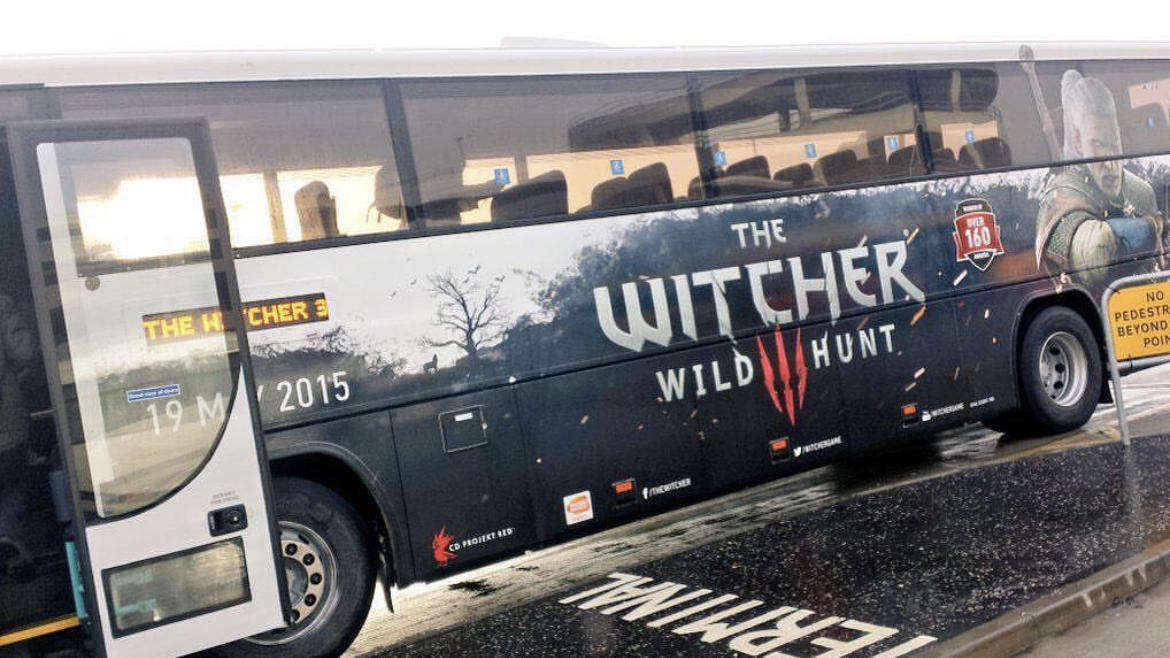
I remember first seeing Demon’s Souls when we were releasing it in the EU/US, and I also remember working on the original Witcher game. Both could be considered as non-established genre franchises, licenses, or whatever the buzzword is. Demon’s Souls was really special when I first saw it prior to its release, and I knew there was something unique about it, but not everyone did. Seeing the audiences build through each Dark Souls release and now Elden Ring is amazing. The Witcher series is just a brilliantly developed game series from CD Projekt Red, and they have had some seriously talented people working on these games. For me, seeing The Witcher 2 Assassins of Kings on Xbox was the highlight, and I remember thinking, “wow, look at this running on console,” and then with The Witcher 3 Wild Hunt, a totally special game came out. It was a pleasure to lead the campaign in the UK which crossed overseas with all the media, content creator focus, and special events, especially at Stirling Castle in Scotland. I was proud of The Witcher 3 launch, and it was a pleasure working with both FROM Software and CD Projekt Red over the years. Those two names are big career highlights for me.
You have experience working with a variety of studios and publishers. What do you think are some of the most important qualities for a successful partnership in the industry?
Understanding, creativity, passion, and hard work. That’s it. I care, always have, and always will. I have always put developers, publishers, and the goals first, which has, in all honesty, caused some issues along the way, as I dedicate everything to the success of each game or project I work on. I never want to do anything that other companies do.
I’m sure all your partnerships were very valuable, but which partner did you enjoy working with most? (anything from a developer or platform holder or merch producer)
There have been many. I’ve enjoyed working with the creators more as they understood where I was coming from, and vice versa. The Japanese headquarters of Bandai Namco, I have so much love for. Their way of working, their focus, care, and attention. They really supported me and showed me gratitude for the things I did. I miss them a great deal…
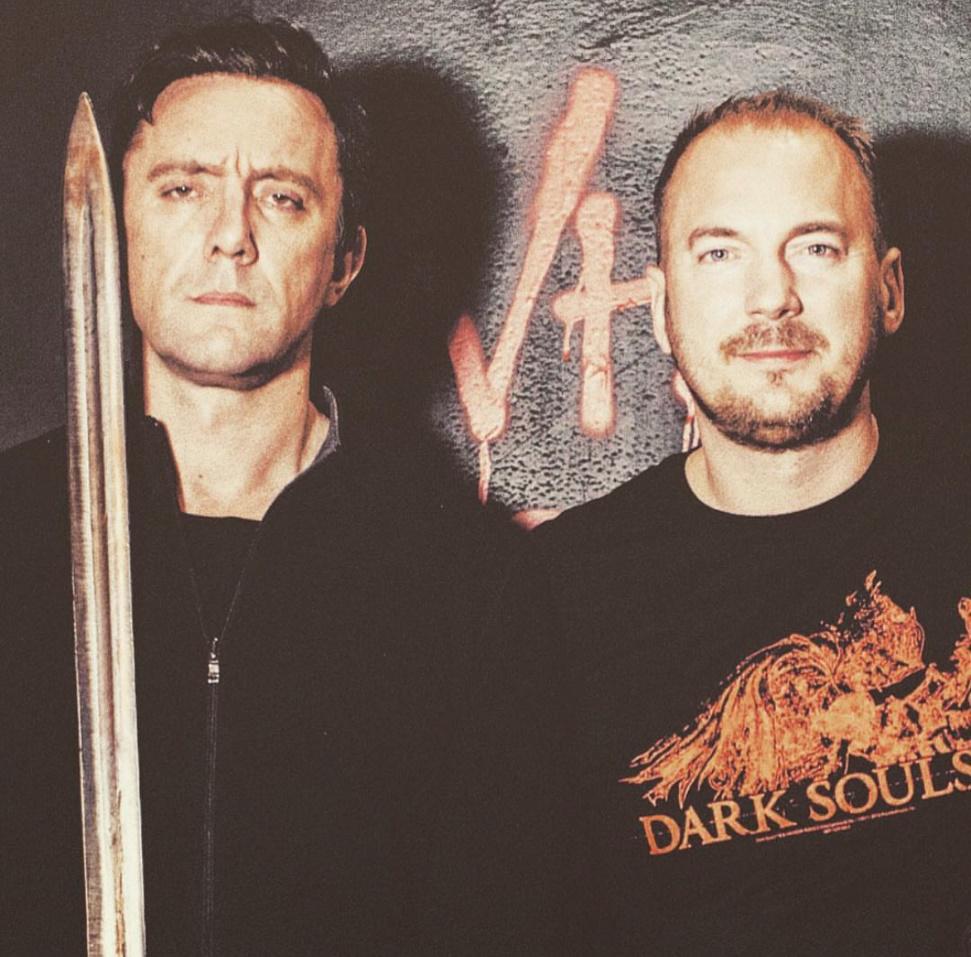
Meeting and working with Starbreeze on Chronicles of Riddick: Assault on Dark Athena, Aardman Animations with 11-11, Olivier Deriviere as a composer who I just adore, Stephen Long and Iain Sharkey as amazing writers, Reflections of old and Martin and Gareth Edmondson, Simbin and SMS, Supermassive Games, Project ACES team and Kono-San, Harada-San from the Tekken team, FROM Software for listening to me on some occasions and letting me get Peter Serafinowicz in Dark Souls II, Ninja Theory on Enslaved, CD Projekt Red for the years of Witcher fun and hard work, Paramount for working on Mission licenses and Star Trek, David Perry when he was at Shiny for trusting me and putting me front and centre when I was needed, Eden Games allowing me to help closer on Test Drive Unlimited 1&2, Naoki Katashima for giving me the honour of Pac-Man sub-chief officer and allowing me to move forward and develop Pac-Man Stories as a passion project, Epicfounders for being the coolest guys I got to hang out with during Unreal 1 & 2 and the Tournaments, and hey, there are others who I will soon mention.
You have been involved in creating several world records for events such as PAC-MAN and Star Trek Online. Can you tell us about what goes into planning an event of that scale and how do you measure its success?
Everything starts with an idea, either one created or one put across to you. With Star Trek Online, this was an idea I created and researched – how many people had ever gotten together dressed as a Star Trek character, and at the time it was low. Your idea is then explored, and you have to bring teams in to support it. At the time, I worked with a PR agency, and we explored the idea of doing it at the Millennium Bridge near the Tate Gallery in London on Valentine’s Day. Obviously, reaching out to a community like this before social media was a huge deal and not that easy. We evaluated costs, and as it was going to be a world record of 100 people, it made sense to do it as a fun stunt around the preview of the game. In terms of cost, it wasn’t expensive, but it was a lot of fun, set a world record, and we got lots of lovely stories.
A bit like the idea to buy a jet fighter for Ace Combat: Assault Horizon. It was a lot of fun, and cost-effective, and great stories came off the back of it.

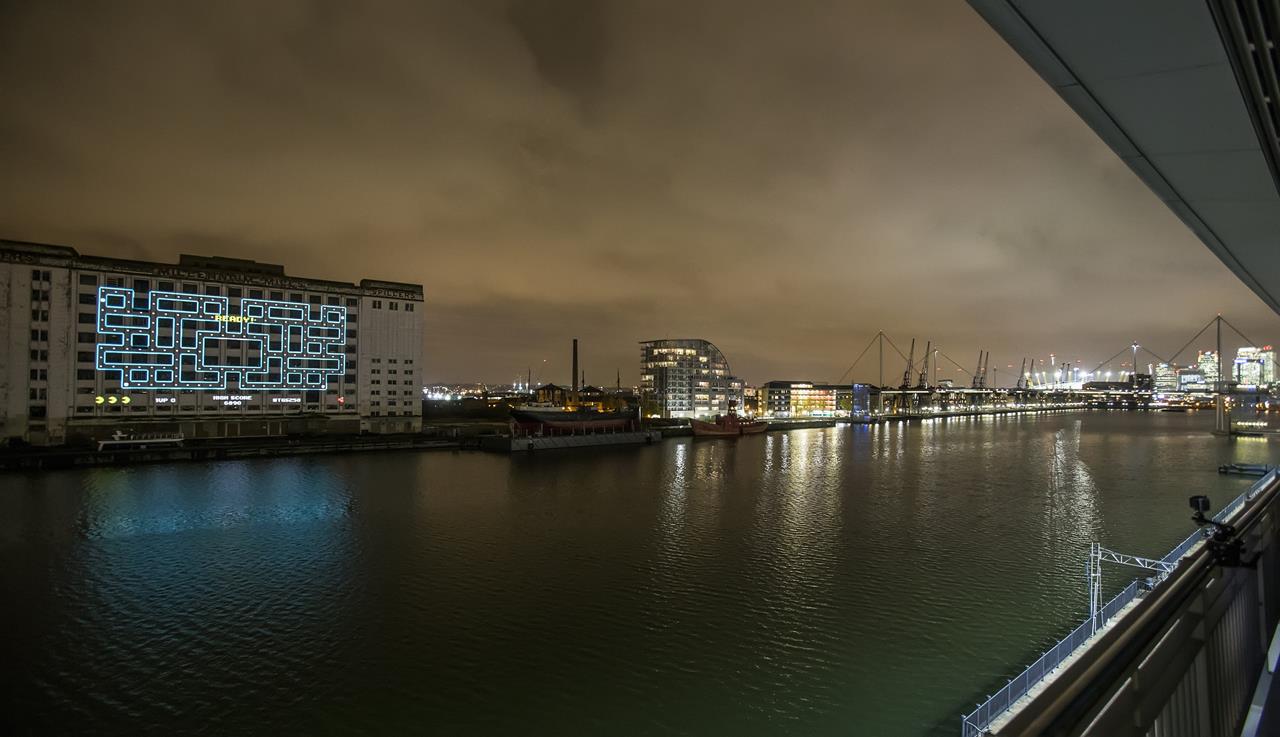
With Pac-Man and The Gadget Show, this was an idea presented to me by a friend Shay, who worked at Running in the Halls. I loved the concept a lot and then had to convince Japan for it to go ahead. They had to develop a version of the game mapped out across the building in London, and they had the world’s most powerful projectors. I worked with the team at Stature PR to generate PR and photographs from the event. By bringing in teams of passionate people that loved the idea, we managed to support The Gadget Show while raising more awareness around our favourite character. The majority of the hard work is convincing, allowing things to happen, relationships, and talking to the right people, which in most cases is hard to do.
With your move from gaming to the wider entertainment industry, what are some of the most exciting developments you see happening in the entertainment industry right now, and what do you think the future holds for the industry as a whole?
My heart and experience are in video games, hence currently working with RapidEyeMovers on C-Smash VRS and some other games to be announced. My heart is also with working with people that I like. I have no time for people trying to work against you for their own reasons. As an industry, there is more connection between film, music, games, interactivity, and experiential than ever before. I have a real passion for film and emotions and how moving imagery can make you happy, sad, scared, etc. Being able to bring together the best from film and games is happening more now with creatives mixing their skill sets. I always thought game marketing was way ahead in terms of creating the story outside of the game, and I see this more in film now. For me, a lot of independent game creators make me feel the same way independent film creators do. They open my eyes to new ideas. The industry is exciting, and I feel it’s allowing more creators to find investment and get projects made. It’s exciting that digital is seen as a convenience in most cases, but generations are still missing physical media, and now there is evidence of some growth here. It’s exciting as it’s always been. We just need those passionate ones to keep fighting.
What inspired you to make the change from working in the gaming industry to film and TV?
Although I miss working with Bandai Namco, I am currently focused on pursuing more game projects in the short term. I am fortunate to be working with a great media agency, 4media group, that runs an entertainment division. Currently, I am working on C-Smash VRS for PSVR2, and I am also collaborating with an unannounced studio on their future strategy. While I am still involved in some film projects, my primary focus remains on managing game projects within the agency that I am passionate about.
Even though I decided to resign from Bandai Namco to explore new opportunities and prioritize my personal growth, I am grateful for the experiences and skills I gained during my tenure there. Ultimately, I was presented with an exciting opportunity shortly after deciding to move on, but I chose to return to managing game projects within the agency. Despite my current pursuits, Bandai Namco will always hold a special place in my heart – if you cut me, I still bleed that business.
How do you think the gaming industry is evolving and intersecting with film and TV?
Game licenses are strong and there are some strong IPs out there, and of course, it’s less risky to secure an IP of a game and make a film/TV show than it is to create something new. The Last of Us has proven that if you work with the right people, you can make something great. It’s a bit like a game. I’ve always said, if you just take a movie license and make a game and no one who worked on that movie is involved, what’s the point? It’s just a licensed name, and that’s it. That’s why I always loved Enter the Matrix, and working on that was cool as it was a proper transmedia experience – movies, games, Animatrix – all directed by The Wachowskis. I think some will get it right, and some will get it wrong, but the only way to get it right is to have the correct ingredients. I hate it when a game or movie/TV show isn’t done correctly. It’s not hard, is it? So don’t cut corners for cost as a terrible product will always be known as terrible.
You spent a long time working for Japanese companies and with Japanese developers. What can you tell us about the importance of Japan and its development studios to gaming?
Quality and focus are what stand out for me. As mentioned above, I always liked working with Japanese teams, and it didn’t matter what level they were in the business. I was always outspoken and listened to, and I felt cared for whenever I was in their company. This is so important, especially for those who are passionate and work extremely hard. I love Japanese studios; they are business-minded and creatively out of this world. I also like their social skill sets.
How important is selling physical merchandise to game publishers/devs?
It depends on the game, franchise, or IP you’re creating. Obviously, if you’ve created a community of fans, they will most likely want merchandise. It’s not just about the game anymore; it’s about the music, the comic book, the vinyl, etc. For the right games, it’s nice to have the right supporting merchandise, not just some cheap baseball cap or t-shirt. Some of the stuff I’ve seen repeated makes me regularly roll my eyes.
Which smaller game did best for you while at Bandai Namco?
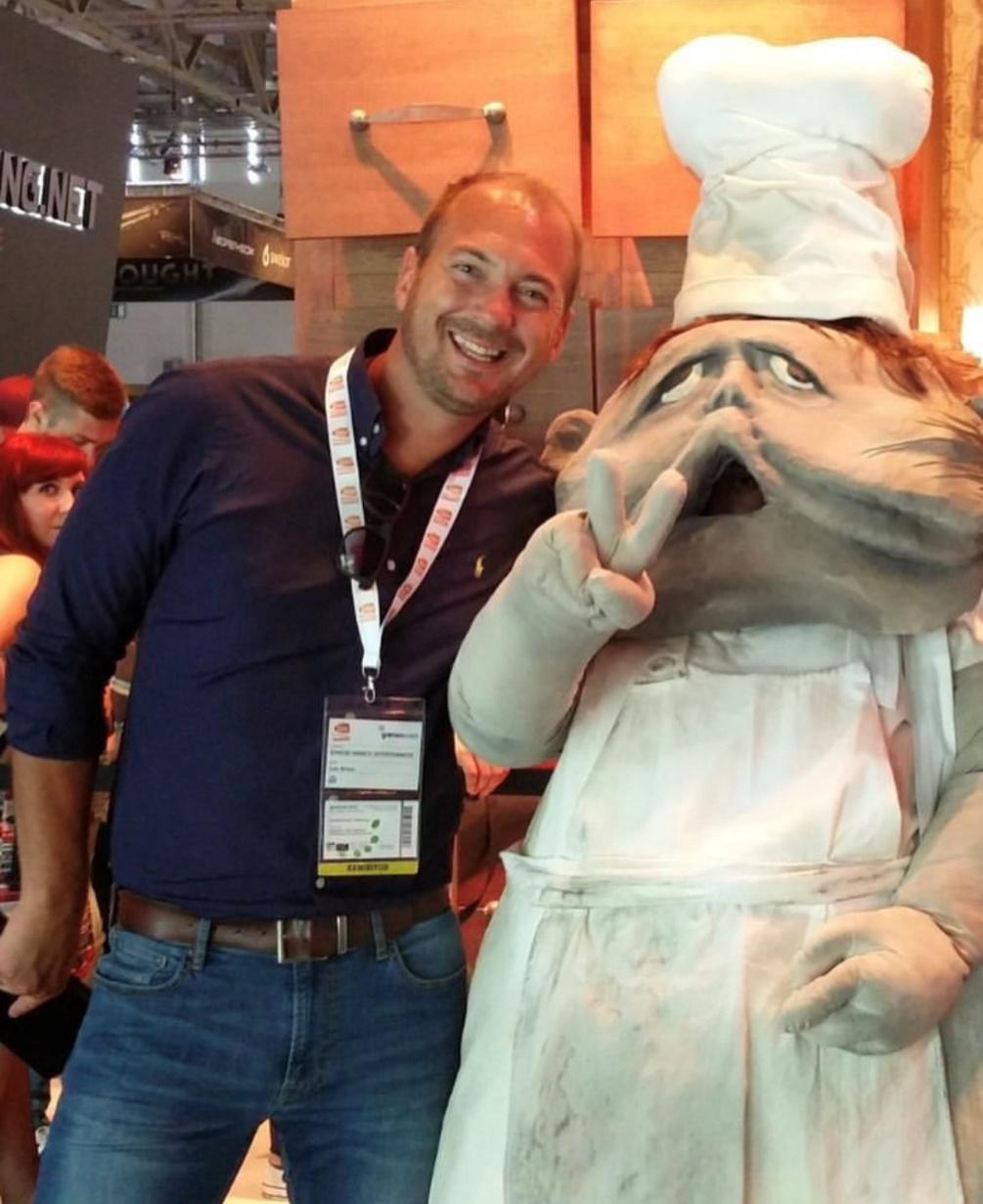
I would say Little Nightmares. It’s the one that stands out at Bandai Namco outside of Japan, as it is just brilliant. Tarsier Studios created something special and with Little Nightmares 2, I wanted to really grow the audience and make it stand out among titles that have inspired me. So, I created some really standout content that was not originally planned. I am proud of the commercial achievements of this game, and creatively, it’s a knockout.

Which practices in the industry (if any) do you think are a problem?
It doesn’t matter what age, experience, or role someone has in the business, everyone is human. Some are really passionate about what they do, which benefits the company they work for. I think it’s important to make people aware of how hard they work, and their achievements, and to support them.
Which platform holder was easiest to work with: Nintendo, SEGA, Xbox, PS, Google & Steam?
They are all great.
Finally, do you see yourself returning to game development in the future or are you fully committed to working in film and TV?
So, I have decided to continue supporting the film company I joined when they need it, but I wanted to pursue more game projects in the short term. Therefore, I am working with a media agency that runs an entertainment and currently working on C-Smash VRS for PSVR2, and an unannounced studio working on their future strategy. I miss working with Bandai Namco, and if you cut me, I still bleed that business.
Final thoughts
Lee Kirton’s journey from a junior PR assistant to an accomplished Entertainment Director and Creative Producer is a true inspiration. His ability to create successful franchises, work with a variety of studios and publishers, and make the transition from games to film and TV is nothing short of incredible. Throughout his career, he has encountered various challenges and opportunities, but his talent and expertise have allowed him to overcome them all.
In this interview, Lee provides insights into his career journey, creative process, and the future of the entertainment industry. He also shares personal details such as his favourite types of games, his most memorable celebrity encounter, and his insights on the gaming industry’s evolution. Lee’s passion, creativity, and hard work have made him a true game-changer in the entertainment industry.
For newcomers to the field, Lee offers advice on getting started and overcoming challenges. He stresses the importance of hard work, building relationships, and focusing on quality over quantity. Despite the steep competition in the industry, Lee sees a rise in independent development studios and original projects, which he thoroughly enjoys.
Overall, Lee Kirton’s journey and insights serve as a reminder that with hard work, dedication, and a passion for creating, anyone can make a significant impact in the entertainment industry.