
In case you missed the news last week, Digital Eclipse, those retro masterminds behind a number of today’s best gaming compilations, worked their magic on a remake of Wizardry: Proving Grounds of the Mad Overlord. As expected, it’s great, but there was a nice bonus on the audio side with its music.
That’s because composer Winifred Phillips produced it. She’s worked on a number of great games in the past, including favorites like God of War, Assassin’s Creed III: Liberation and the LittleBigPlanet series, among countless others.
So what goes into composing a soundtrack for a game such as this? Luckily, Winifred took the time to sit down and talk to us about it, as well as working with the folks at Digital Eclipse. Sit back and enjoy!
How did you get involved with Wizardry: Proving Grounds of the Mad Overlord?
Over a year ago, Digital Eclipse reached out to me to discuss music needs for a project they were working on: the full 3D remake of Wizardry: Proving Grounds of the Mad Overlord. I’d heard of the Wizardry franchise, and I understood the importance of Wizardry to the history of roleplaying video games, dungeon-crawlers in general, and all games based on TTRPG.
The original Wizardry was developed for Apple II by two Cornell University students in the 1980s, and it went on to become a truly foundational game in the history of gaming – paving the way for all RPGs that followed, and heavily influencing game franchises like Baldur’s Gate, Dragon Quest, and Final Fantasy. When Digital Eclipse asked me to compose the music for their remake of the very first Wizardry game, I was really excited!
What was it like working with the wizards (see what I did there?!) at Digital Eclipse?
It was amazing – the Digital Eclipse developers really are wizards! Digital Eclipse has a history of developing lovingly-crafted remakes of important games from the history of video gaming, and their dedication and passion really shine through. They want gamers to fully experience the heart and soul of the original games, even as they introduce updates that make the games more accessible for modern audiences.
Playing one of these Digital Eclipse games is like taking a trip through time. Digital Eclipse allows modern gamers to play and appreciate the brilliance of early games, recognizing and celebrating what makes them important to the history of gaming.
At the same time, when developing a remake like Wizardry, Digital Eclipse is essentially recreating the magic of exploring the dungeon – the emotional awe and excitement that gamers in the 80s would have experienced – by updating the aesthetics and the interface so that they’re satisfying to modern players. It was such an honor working with the team at Digital Eclipse!

How thrilling is it to work on a classic adventure series such as this?
I had a fantastic time working on this project! The narrative of the first Wizardry game is very straight-forward and direct. Gamers enter a traditional RPG fantasy realm. They learn that an evil wizard has stolen a powerful amulet and taken it into a vast dungeon. The mission is simple: to defeat the wizard and retrieve the amulet.
But that’s really just the framework for the experience. The star of Wizardry is the dungeon itself – enormous, dark, treacherous, teeming with monsters and villains. Mastering the dungeon is the ultimate goal. Learning its maze-like corridors, defeating its plethora of enemies, gaining access to its secrets… that’s what makes Wizardry fun.
It’s an intensely difficult game, requiring strategy and endurance, unforgiving of mistakes. It’s just like that old saying, “you climb a mountain because it’s there.” In Wizardry you solve the maze because it dares you to solve it. I found the whole process of composing music for Wizardry really inspiring.
Tell us the process of putting together a soundtrack for a game such as Wizardry.
There were some unique aspects to composing the music for this project. The mandate of the developers was to faithfully adapt the original version of the first Wizardry game. They built their version of the game right on top of the original code from the Apple II version released in 1981.
At the beginning of my involvement in the project, I learned that the original 1981 game had no musical score at all! That made sense, when you consider that the 1981 game also had very little color, no textures, and no animations – the dungeon was drawn in simple wireframe, and all of the enemies were static sketches.
In developing the full 3D remake of Wizardry, Digital Eclipse created a brand new aesthetic, while making sure that their version stayed faithful to the original vision of the 1981 game – and this mission extended to the musical score.
With that in mind, the evocative visual environments, the creature animations, and the musical score during gameplay – all of these elements are brand new, albeit heavily inspired by the world created by the original 1981 game.
Do you put any research into the music? Distinct instruments that would hit the spot?
Absolutely! The first thing I did was sit down and read the full manual that had accompanied the original Wizardry game in 1981. I love that games used to come with elaborate printed guides that explained the world of the game, and the goals the player would need to achieve. Such a fantastic throwback to an earlier time!
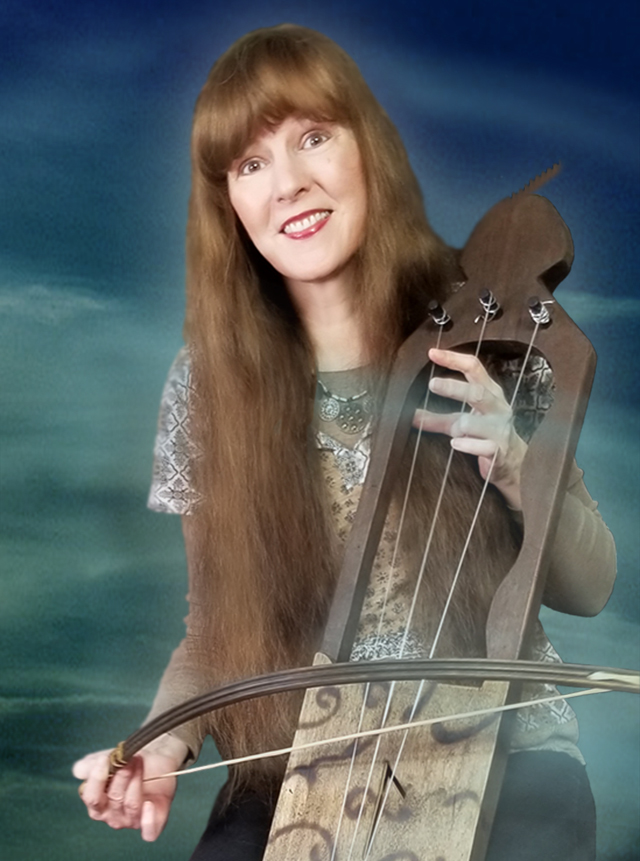
That printed manual laid out a vision of a medieval-inspired fantasy realm with bold adventurers making their fortunes by battling foul creatures – such a fun historical background for a game composer! Spinning off from that idea, I did a lot of research into medieval musical forms and instrumentation for this project. The entire game revolves around a dungeon underneath a medieval castle, and players are constantly returning to the castle and surrounding town. I wanted this environment to feel like a living community with a history and culture, so I worked with a wide variety of exotic and rare instruments, including talharpas and nyckelharpas, gitterns, viola da gamba, dulcimers, domras and psaltery, pipes, recorders, bone flutes, organs, lutes, lots of frame drums and other medieval percussion.
They all worked together to create a sense of identity for the world in which the dungeon exists, which also helps the characters to feel more evocative. One of my biggest goals was to compose music that would help to add depth and complexity to the world of Wizardry.

What were some of the challenges you faced in putting Wizardry’s soundtrack together?
One of the challenges sprung from how very straightforward the gameplay of Wizardry actually is. You enter the maze, explore and map the dungeon, encounter monsters and engage in battles, return to town to regroup, plunge into the maze again.
It can feel like a predictable cycle of events, so the music needed to create a sense of unpredictability in the dungeon. Suspense was immensely important here! Monsters could leap out at any time, and permadeath is a real possibility in the underground maze.
I worked very hard to emphasize danger and unease in the dungeon music, so that the experience of wandering the maze would feel suitably fraught with peril.
How has feedback been on your soundtrack so far? We think it’s awesome!
Thank you so much! Feedback has been amazing so far. The music I composed for Wizardry has already won three awards – a Telly Award for Best Music for Interactive, and two Gold NYX Game Awards for Best Game Soundtrack and Best Music for a PC Game. Also, my official soundtrack album for Wizardry just came out – Digital Eclipse and I released the album to Bandcamp and Spotify entirely free of charge, as a gesture of appreciation to the amazing Wizardry fan community.
It’s been hugely successful, and I’m really happy that this music is being downloaded and streamed in such big numbers! Amazing to be a part of the history of the Wizardry franchise, and I feel really honored to have had the opportunity to compose the score for this game.
You’ve actually been composing songs for video games for some time. Do you have a particular favorite moment in your career, or are there just too many to name?
It’s been especially rewarding to compose music for games in well-loved franchises like Assassin’s Creed, LittleBigPlanet, God of War, Total War, Jurassic World, The Sims, Lineage… such an honor to be able to compose music for games that will be played by such huge audiences! And the fanbases of these franchises have been incredibly welcoming to me. That means a lot!
What recommendations do you have for people that are just getting started in creating video game music? Any particular tools you can recommend?
It’s a very exciting time in the world of game development! My book, A Composer’s Guide to Game Music, is available now from the MIT Press – it goes into a lot of detail about the art and craft of game music composition.
Also, I write monthly articles for GameDeveloper.com that explore different subjects of interest to us as game composers – I hope that these articles might be useful to new composers looking to break into the field of video games!
What’s next for you? A lengthy break? Trips to more game expos?
No traveling for me just yet! I’m in the middle of a few music composition projects that I can’t reveal just yet. Looking forward to making the announcements when the timing is right!
Learn more about Winifred Phillips by visiting her amazing website! We thank her for taking the time to talk to us. Don’t forget to get her Composer’s Guide To Game Music and check out her GameDeveloper.com blog!
Also, Wizardry: Proving Grounds of the Mad Overlord is available now on consoles and PC and you should totally go get it.